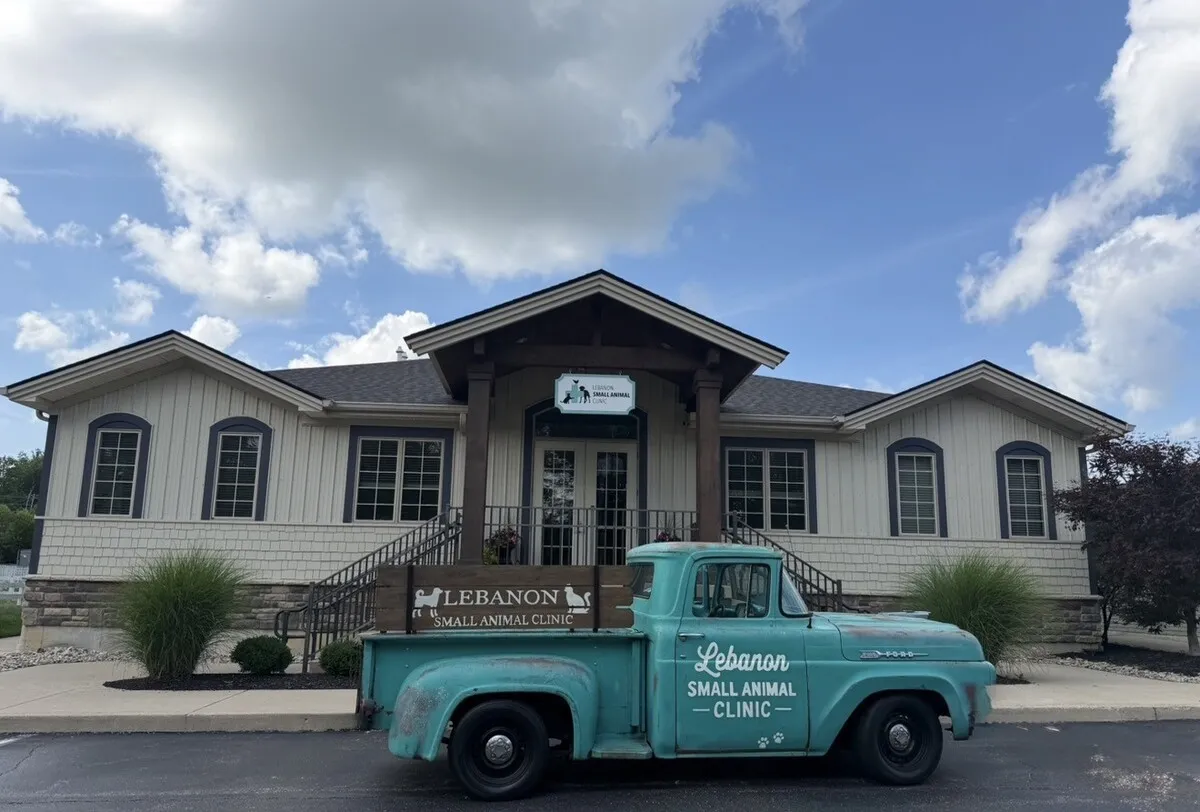
As winter approaches in Lebanon, OH, the drop in temperatures and the arrival of chilly, wet weather can be tough on both household pets and livestock. Whether you have dogs, cats, pocket pets, or a herd of cattle or goats, preparing for winter is essential to keep your animals healthy and comfortable. At Lebanon Small Animal Clinic, located at 1196 Oregonia Rd, Lebanon, OH 45036, our team of veterinarians is dedicated to supporting the wellbeing of every animal in your care. This post offers practical advice for preparing both pets and livestock for the colder months, highlighting signs of cold stress, why winter risks arise, how to prevent seasonal health problems, and when to seek professional veterinary help. You will also find helpful local resources and links to our in-clinic and at-home services to make winter easier for you and your animals.
Recognizing Winter Risks: Signs of Trouble in Pets and Livestock
Understanding when winter conditions are starting to affect your animals is the first step in keeping them safe. For pets such as dogs and cats, symptoms of cold stress include shivering, reluctance to go outside, limping (especially if ice is present), and dry or cracked paw pads. Pocket pets like rabbits or guinea pigs may huddle, eat less, or seem less active when chilly drafts reach their enclosures.
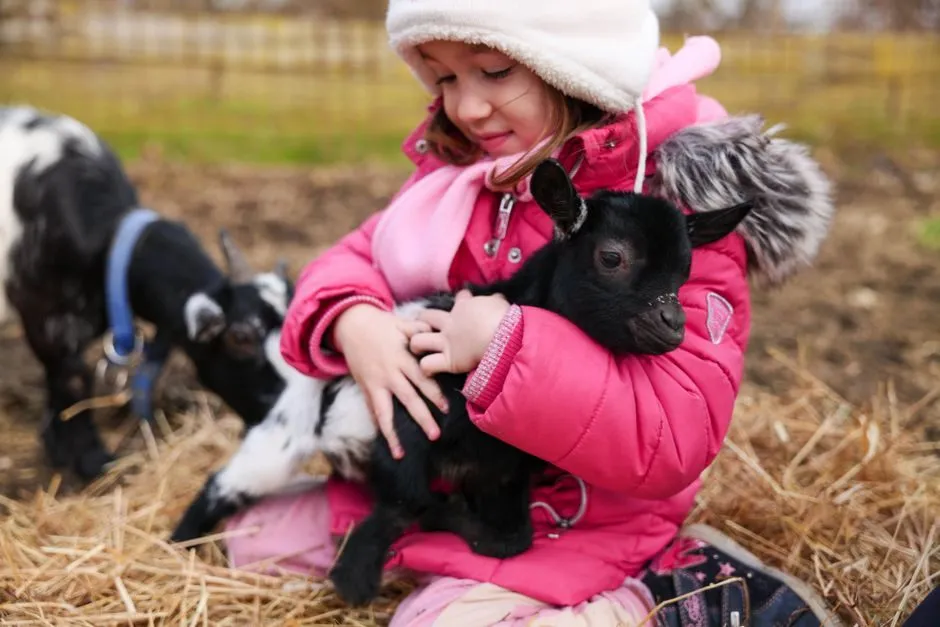
Livestock face different challenges. Cattle, sheep, goats, and other farm animals may show signs of cold stress such as huddling together for warmth, standing in sheltered areas, shivering, or having rough, fluffed-up coats. Reduced feed intake, difficulty rising, or changes in behavior can also indicate that your animals are struggling with the weather. Calves and young animals are particularly vulnerable to hypothermia, especially during damp, windy November days.
If you notice these signs, it’s important to act promptly. For more insights on species-specific care, you can visit our veterinary care resources and services for dogs or veterinary care information and services for farm animals.
Why Winter Poses Health Challenges for Animals
Winter in southwest Ohio often brings a combination of cold temperatures, wind, rain, and occasional ice or snow. These conditions can stress both pets and livestock, leading to health risks. For pets, exposure to cold air and moisture can cause frostbite on extremities like ears, tails, and paw pads. Dry, heated indoor air can also contribute to skin and respiratory problems.
Livestock contend with more than just the cold. Wet weather increases the risk of muddy pastures, which can lead to hoof problems and increased parasite pressure. Wind chill can make even mild days feel much colder, especially for animals with short coats or those in poor body condition. Pregnant or nursing animals, young stock, and older livestock have higher nutritional needs and are more susceptible to cold-related illnesses.
Understanding these factors helps you take proactive steps to safeguard animal health as the seasons change.
Veterinary Support for Winter Health: Professional Management Options
At Lebanon Small Animal Clinic, our veterinary professionals offer a range of services to help keep both your pets and livestock healthy all winter long. For pets, a routine veterinary examination and preventive care before winter sets in can ensure your dog or cat is in good health and up-to-date on vaccines and parasite prevention. We check for underlying conditions that might make your pet more vulnerable to the cold, such as arthritis or heart disease, and provide guidance on diet and exercise for the winter months.
For pocket pets and exotics, we recommend reviewing enclosure setups to ensure proper temperature regulation and humidity. Our team can advise on safe heating options and discuss dietary adjustments to help small animals thrive during colder periods. You can read more about veterinary care for pocket pets and small companion animals for tailored advice.
Livestock benefit from herd health assessments before and during winter. Our veterinarians can evaluate body condition scores, check for signs of lameness or hoof issues, and ensure vaccination schedules are current. For operations with young or pregnant animals, we provide tailored nutrition plans and parasite control strategies to support healthy growth and calving outcomes. Explore our vaccination services for rabbits and livestock to keep your animals protected against seasonal diseases.
If you need convenient care at your location, our team also provides home visits and farm calls for convenient veterinary care at home or on the farm.
At-Home and On-Farm Steps for Winter Animal Care
There are many practical ways you can support your animals through the winter months. For pets, ensure they have a warm, dry place to rest indoors, away from drafts. Limit time outdoors on especially cold or wet days, and always dry your dog or cat thoroughly after returning inside. Paw care is essential; check for cracks or irritation after walks, and use pet-safe de-icing products if needed.
Pocket pets should be kept in well-insulated enclosures, away from cold windows or doors. Provide plenty of bedding, and monitor room temperature to prevent drops during the night.
For livestock, focus on shelter, nutrition, and water. Provide windbreaks or access to barns for protection from wind and precipitation. Bedding should be kept clean and dry to reduce the risk of frostbite and hoof problems. Increase feed as needed, since animals burn more calories to stay warm, especially during bitter nights. Ensure water sources do not freeze; heated buckets or automatic waterers help maintain hydration.
Keep a close eye on herd health by observing animals daily for changes in behavior or body condition. Address muddy conditions promptly to prevent lameness and reduce parasite risk. If you have questions about optimizing your feeding program or need help with shelter design, our veterinarians are happy to provide farm-specific recommendations.
When to Seek Veterinary Help
Knowing when to contact your veterinarian is crucial for preventing small issues from becoming major problems. For pets, call your veterinarian if you notice persistent shivering, lethargy, or refusal to eat, or if you suspect frostbite or hypothermia. Sudden lameness, difficulty breathing, or ongoing vomiting or diarrhea in winter also merit prompt attention.
For livestock, immediate veterinary evaluation is needed if animals are unable to rise, show signs of severe lameness, refuse to eat or drink, or experience sudden weight loss. Calves or lambs that appear weak, cold to the touch, or are not nursing require urgent intervention. Persistent coughing, nasal discharge, or unexplained deaths in your herd should always be investigated to prevent the spread of infectious diseases.
Lebanon Small Animal Clinic provides both in-clinic and on-farm care, allowing you to choose the most convenient option for your situation. If your animal is in distress or you have concerns about their ability to withstand winter weather, do not hesitate to reach out for guidance.
Supporting All Your Animals Through Winter: The Lebanon Small Animal Clinic Commitment
From cozying up your home for dogs and cats to ensuring your herd has the nutrition and shelter needed for Ohio’s unpredictable winters, taking proactive steps now can prevent illness and discomfort for all the animals in your care. Our team of veterinarians at Lebanon Small Animal Clinic is committed to helping pets and livestock thrive, providing compassionate, expert care in Lebanon and surrounding communities.
If you are searching for a veterinarian near me who can support both pets and farm animals, look no further. Whether you need routine care, urgent help, or tailored advice for winter preparation, we are here for you. Schedule an appointment or arrange a farm visit by calling (513) 932-4189, or explore our routine veterinary examinations and preventive care page for more information. Let us help you keep every member of your animal family , from the barn to the living room , healthy and comfortable all season long.
This blog is for informational purposes only and does not replace individualized veterinary care. For specific concerns regarding your animals, please contact your veterinarian directly.