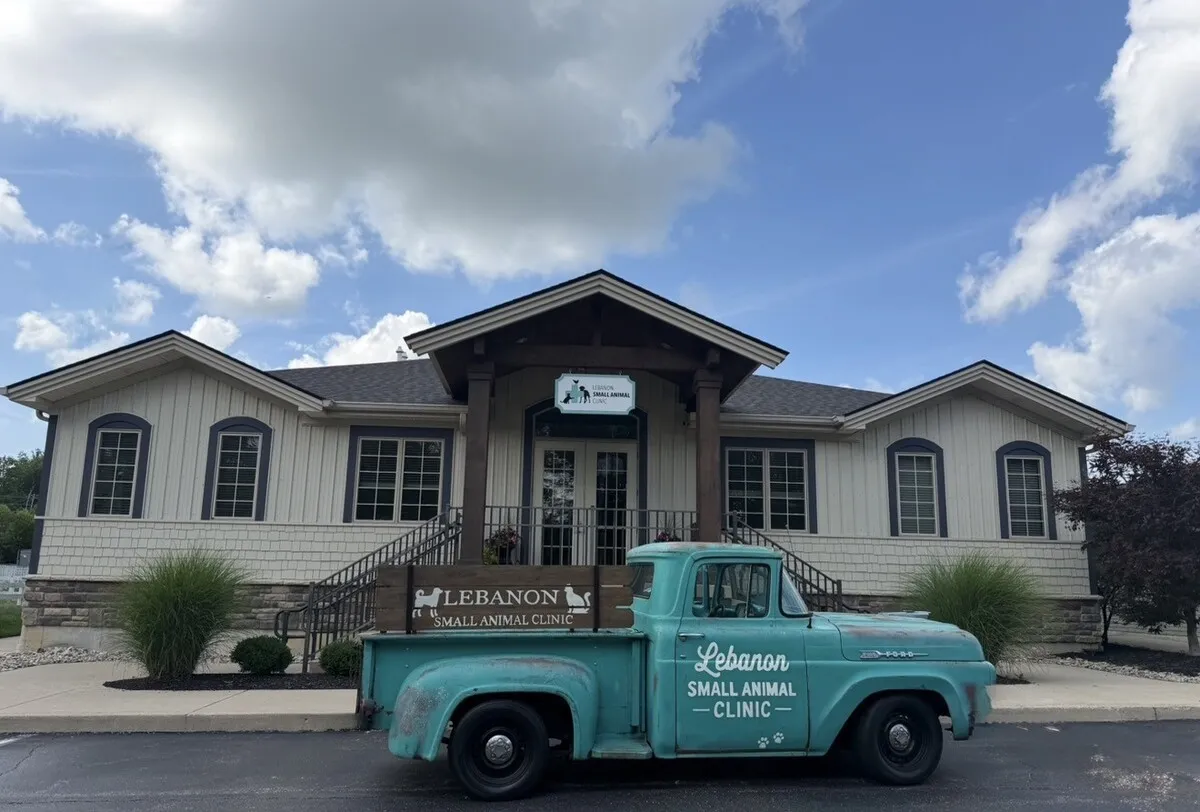

As November arrives in Lebanon, Ohio, many pet owners start to worry about how the damp, chilly weather can affect their indoor companions. Whether you share your home with a playful dog, a cozy cat, or a curious pocket pet, the transition into colder months brings unique health challenges. From increased risk of respiratory issues to skin conditions aggravated by dry indoor air, indoor pets still face seasonal threats even when sheltered from the elements. At Lebanon Small Animal Clinic, located at 1196 Oregonia Rd, Lebanon, OH 45036, our team of veterinarians is committed to helping you protect your pets’ well-being year-round. In this guide, we’ll explore the most common health concerns for indoor pets during damp and cold months, practical steps you can take at home, and how to recognize when it’s time to schedule a veterinary appointment.
Recognizing Seasonal Health Issues in Indoor Pets
Even pets that rarely venture outdoors can be affected by the colder, wetter seasons. It’s important to understand which signs indicate your dog, cat, or pocket pet may be struggling with the change in weather. Key symptoms to watch for include sneezing, coughing, runny nose, or watery eyes, which may suggest a respiratory infection. Lethargy, loss of appetite, or shivering can also signal that your pet is not coping well with the drop in temperature. For many indoor pets, the shift to heating indoors can cause dry, itchy skin or an increase in shedding. Pocket pets such as rabbits, guinea pigs, and hamsters may hide more than usual, eat less, or show changes in their coat condition. Cats sometimes develop mild upper respiratory symptoms, especially if they are older or have pre-existing health concerns. Dogs might become stiff or reluctant to exercise due to chilly floors or dampness.
If you notice any of these signs persisting for more than a day or two, or if your pet’s symptoms worsen, it’s wise to consult your veterinary team. Early detection is key to preventing complications, so do not hesitate to reach out if you’re concerned about your companion’s health. For a thorough assessment, a comprehensive physical examination can identify underlying issues before they become major problems.
Why Damp, Cold Weather Impacts Indoor Pet Health
Understanding why indoor pets can get sick during the colder months helps pet owners take better precautions. As temperatures drop outside, most families increase the use of heating systems inside the home. This can significantly reduce indoor humidity, leading to dry skin, itchy coats, and even respiratory discomfort for pets. Additionally, closed windows and less ventilation can cause a buildup of dust, dander, and potential allergens, further irritating sensitive noses or lungs. Dampness, especially in basements or poorly ventilated areas, can promote mold growth, which may trigger allergies or worsen existing respiratory conditions.
For dogs and cats, spending more time indoors means less activity and stimulation, resulting in weight gain or behavioral changes. Joint stiffness is another concern, particularly in older pets who may already experience mild arthritis. Pocket pets are especially sensitive to sudden temperature shifts; even a draft near their enclosure or a cold spot in the room can impact their comfort and immune function. For all species, stress related to environmental changes can lower resistance to illness.
Managing and Treating Common Seasonal Illnesses
When seasonal illnesses arise, prompt management can make a significant difference in your pet’s recovery and comfort. For respiratory symptoms such as coughing, sneezing, or nasal discharge, treatment may involve supportive care, ensuring your pet stays warm and well-hydrated. In some cases, your veterinarian may prescribe medications to treat infections or recommend special diets to boost immune function.
Skin issues often require a multi-faceted approach. Increasing humidity in your home with a humidifier can help, along with frequent brushing to remove loose fur and distribute natural oils. If your pet develops hot spots, persistent itching, or hair loss, your veterinary team may suggest medicated shampoos or topical treatments. For more complex skin and coat conditions, veterinary dermatology services are available to diagnose and treat underlying causes.
Pocket pets sometimes need specialized care if their environment becomes too cold or damp. Relocating enclosures away from drafts, providing extra bedding, and monitoring food and water intake are important steps. For exotic and pocket pets, the Lebanon Small Animal Clinic team offers veterinary medicine tailored to small and exotic species, ensuring they receive the right care for their unique needs.
For all pets, maintaining regular check-ups is vital. Scheduling a wellness examination each year, or more frequently for aging animals, helps catch seasonal health concerns before they escalate.
Preventing Illness and Keeping Indoor Pets Comfortable
Prevention is always preferable to treatment, and there are many proactive steps you can take to safeguard your indoor pets during damp, cold months. Maintaining a comfortable, stable room temperature is crucial; avoid large temperature swings that can stress your pet’s immune system. Using a humidifier can prevent the air from becoming too dry, which helps both skin and respiratory health.
Keep your pets active indoors with interactive toys, food puzzles, and regular play sessions to prevent boredom and weight gain. For dogs, short outdoor walks are still important, but ensure they are properly dried off and warmed up after being outside. Cats can benefit from window perches, climbing structures, or even simple games like chasing a feather toy. Pocket pets need plenty of fresh bedding, clean water, and a draft-free environment; check their cages daily for signs of dampness or mold.
Grooming remains important in winter. Regular brushing reduces matting and supports skin health. For pets prone to dry or flaky skin, talk with your veterinarian about safe moisturizing products or dietary supplements that can help. Cleaning litter boxes and cages more frequently may also be necessary, as pets spend more time indoors and in close quarters.
Monitor for early signs of illness, including subtle changes in energy, appetite, or coat condition. The sooner you act, the better the outcome for your pet. Remember, keeping up with vaccination services is still important, even for pets who rarely go outside, as some viruses can be brought in on shoes or clothing.
When to Contact Your Veterinarian
Knowing when to seek professional help can make all the difference for your indoor pet’s health. Immediate veterinary attention should be sought if your pet is experiencing trouble breathing, persistent vomiting or diarrhea, refusal to eat or drink for more than 24 hours, severe lethargy, or sudden collapse. For less urgent but still concerning changes, such as mild sniffles, increased scratching, or reluctance to move, scheduling a prompt appointment is wise. Persistent skin irritation, unexplained weight loss, or behavioral shifts should also prompt a call to your veterinary team.
For pets who become stressed by clinic visits, Lebanon Small Animal Clinic offers house-call veterinary services, bringing compassionate care directly to your home when appropriate. If your pet’s symptoms seem to worsen rapidly or you are unsure about their condition, do not wait—reaching out early can prevent complications and provide peace of mind.
Supporting Your Indoor Pet’s Health All Winter Long
As the cold, damp months settle in across Lebanon and surrounding communities, your attention to your indoor pet’s comfort and health becomes even more important. By recognizing early warning signs, maintaining a clean and comfortable environment, and keeping up with wellness care, you can help your dog, cat, or pocket pet thrive through the winter. The Lebanon Small Animal Clinic veterinary team is here to support you with knowledgeable advice, preventive services, and both in-office and in-home care options.
If you notice any changes in your pet’s health or behavior, or simply want guidance on keeping them healthy during the chilly season, we invite you to schedule an appointment. When searching for a veterinarian near me who truly understands the needs of indoor pets, look no further than our team at 1196 Oregonia Rd, Lebanon, OH 45036. You can reach our veterinary professionals at (513) 932-4189 to discuss your concerns or book your next visit. Together, we can ensure your indoor companions stay healthy, comfortable, and happy all winter long.
This article is intended for educational purposes and should not be used as a substitute for professional veterinary care. Always consult your veterinarian for specific health concerns or before making changes to your pet’s care routine.